OSHA Reporting Is a Business Risk — Not Just a Compliance Task
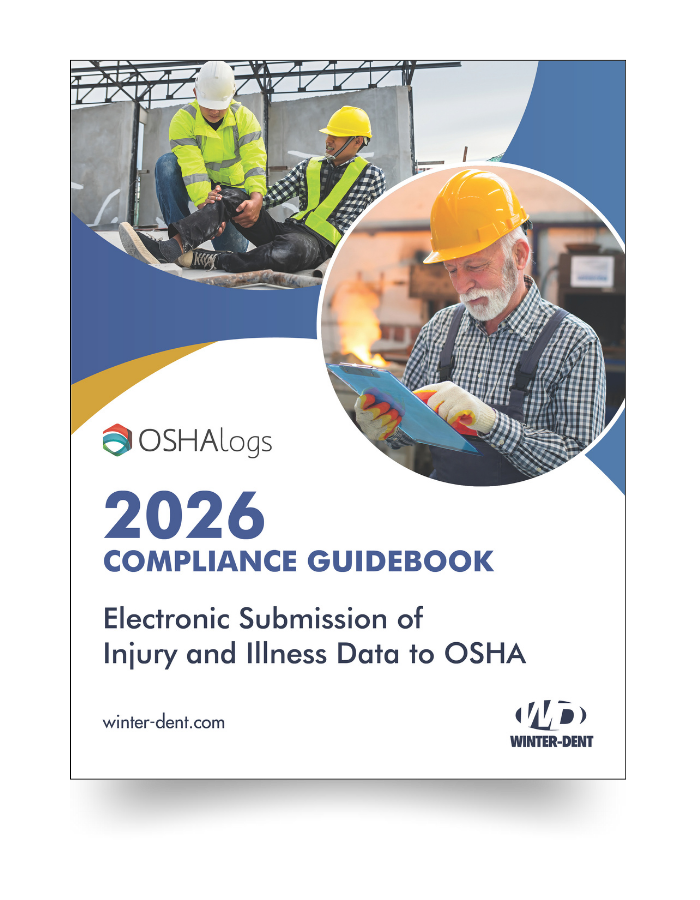
2026 OSHA Compliance Guidebook
A practical compliance guide for business leaders navigating OSHA deadlines, inspections, and insurance exposure.
Why Business Leaders Are Paying More Attention to OSHA Data
OSHA injury and illness reporting has evolved well beyond an HR requirement. With expanded electronic submission and public access to data, OSHA records now act as a risk signal reviewed by regulators, insurers, and other third parties.
For many organizations, the impact isn’t immediate. It often shows up later as:
- Rising workers’ compensation costs
- Tougher insurance renewals
- Greater scrutiny after a claim or complaint


2026 OSHA Deadlines Create Visibility and Scrutiny
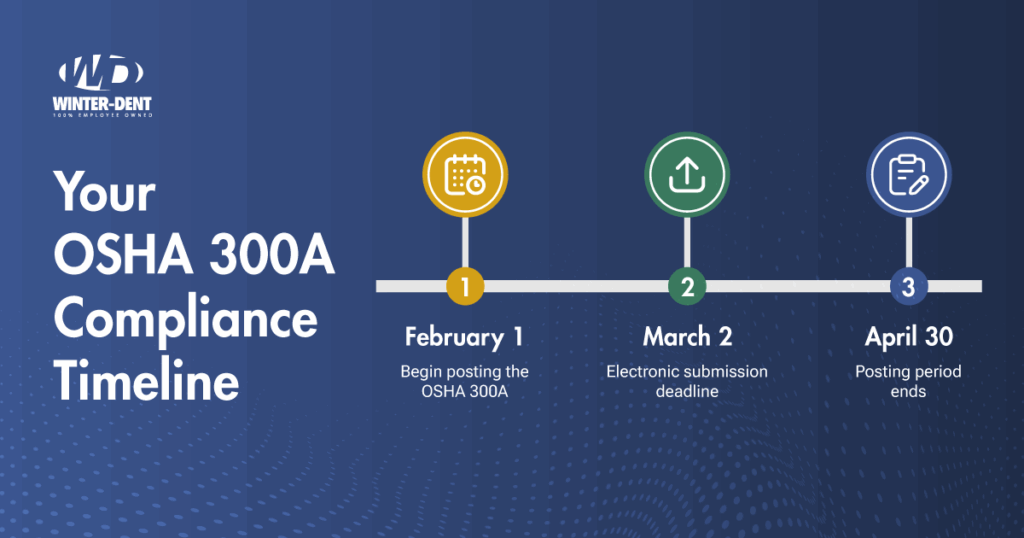
For employers required to submit injury data, the March 2, 2026 deadline matters more than many realize.
Electronic submission creates visibility into injury trends, reporting consistency, and data quality. Missed deadlines or inaccurate submissions can place employers on enforcement lists and increase the likelihood of inspections.
Deadlines don’t just create compliance tasks. They create a moment where your risk profile becomes visible.
For employers required to submit injury data, the March 2, 2026 deadline matters more than many realize.
Electronic submission creates visibility into injury trends, reporting consistency, and data quality. Missed deadlines or inaccurate submissions can place employers on enforcement lists and increase the likelihood of inspections.
Deadlines don’t just create compliance tasks. They create a moment where your risk profile becomes visible.
What’s Inside the 2026 OSHA Compliance Guidebook
This practical guide is designed for business leaders who want clarity, not complexity.
Inside the guide:
- Who must comply with electronic OSHA submission rules
- Which industries and employer sizes are affected
- Common multi-location and reporting mistakes
- How OSHA uses submitted data to target inspections
- Penalties for non-compliance and false reporting
- How injury data is accessed by insurers and other third parties
- A clear checklist of what employers should do now


Why Winter-Dent?
We believe the strongest insurance outcomes come from visibility and prevention, not reaction. OSHA reporting is often one of the earliest indicators of how risk is being managed across an organization, which is why it plays a role in our broader insurance conversations.
This guide is shared to help leaders better understand how injury data is reviewed by regulators, insurers, and other third parties, and to support more proactive, informed risk decisions throughout the year.
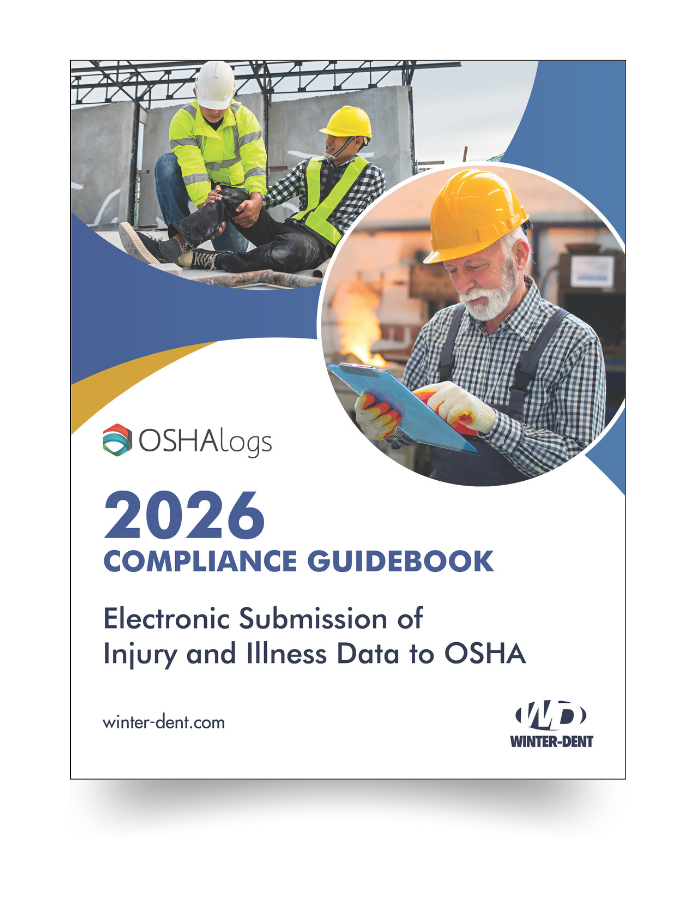
Download the 2026 OSHA Compliance Guidebook
A straightforward resource for leaders who want fewer surprises and more control.
OSHALogs: Clearer Records. Fewer Surprises.
OSHALogs is a centralized recordkeeping and documentation tool Winter-Dent uses with select clients to help improve data visibility, maintain consistent records, and reduce last-minute reporting issues.
Additional OSHA Resources
Have Questions? We’re Here to Help.
Email Us
info@winter-dent.com
Call Us
(573) 634-2122