When your workers' compensation costs are climbing, most insurance agents will shop for a better rate. When incidents keep happening, they'll recommend higher coverage limits. When your experience modification rate increases, they'll explain it away as "market conditions."
But here's what they won't do: dig into why these problems are occurring in the first place.
At Winter-Dent, we take a different approach. We believe that managing symptoms will never solve the underlying disease. Through our comprehensive Prevent First Assessment, we go beyond the surface to uncover the root causes driving your insurance costs and workplace risks.
This 60-day diagnostic process is the foundation of our entire Prevent365 program. It's where lasting protection begins.
Why Root Cause Analysis Matters in Risk Management
Think about a plant that's struggling to grow. You could treat the wilting leaves with fertilizer, prop up the weak stems, or even replace dying branches. But if the problem is diseased roots, all that surface-level intervention won't help. The plant will continue to struggle until you address what's happening below the ground.
The same principle applies to workplace risk management.
The Traditional Approach: Treating Symptoms
Most insurance processes focus on addressing symptoms after they appear:
- A workplace injury occurs, so you file a workers compensation claim
- Your experience mod increases, so you shop for better rates
- OSHA sends a violation notice, so you scramble to fix that specific issue
- Your premiums jump, so you increase deductibles to lower costs
This reactive cycle keeps you perpetually behind, managing one crisis after another while your total cost of risk continues to climb.
The Prevent365 Approach: Targeting Root Causes
When you target root causes, you prevent problems before they occur. Instead of paying for incidents after they happen, you eliminate the conditions that create them.
For example, if you're experiencing recurring back injuries in your warehouse, the root cause analysis might reveal:
- Inadequate lifting training for new employees
- Ergonomic issues with workstation design
- Lack of mechanical assistance equipment
- Pressure to work too quickly without proper technique
- Insufficient warm-up or stretching protocols
Insurance will pay for medical bills and lost wages after injuries occur. But only by addressing these root causes can you actually prevent the injuries and all the costs that come with them.

What Makes the Prevent First Assessment Different
The Prevent First Assessment isn't a quick walkthrough or a simple questionnaire. It's a comprehensive 60-day diagnostic that examines every dimension of your risk profile.
Beyond the Standard Application
When most agents gather information, they're completing insurance applications. They need your revenue, employee count, claims history, and enough basic data to get quotes from carriers.
Our assessment goes much deeper. We're not just collecting data for underwriters. We're conducting a thorough investigation to understand:
- What's really driving your costs
- Where your exposures are hiding
- What you're doing well that should be recognized
- Where improvements will have the greatest impact
- How to position your business for better insurance outcomes
Performed by Risk Management Consultants
The Prevent First Assessment isn't conducted by salespeople focused on closing a deal. It's performed by experienced risk management consultants who understand workplace safety, OSHA compliance, claims management, and loss control strategies.
These consultants bring expertise from working with hundreds of businesses across multiple industries. They know what good looks like, where problems typically hide, and which interventions produce the best results.
Conducted Between Renewal Periods
Here's one of the most important differentiators: We conduct the Prevent First Assessment between renewal periods, not during the 60-day renewal scramble.
Why timing matters:
Most agents only engage with you 60 days before your renewal date. During this compressed timeline, there's no opportunity to implement meaningful improvements. You're evaluated based on your current state, with no chance to strengthen your risk profile before carriers make their decisions.
By working outside the renewal window, we give you time to:
- Address identified risk issues proactively
- Document your existing positive initiatives
- Implement improvements and track results
- Build a compelling risk story before carriers evaluate your account
When renewal time arrives, you're presenting from a position of strength rather than explaining away problems under time pressure.
The 12 Components of the Prevent First Assessment
Our assessment examines your risk profile across 12 critical dimensions. Each component uncovers specific insights that inform your customized Prevent First Service Plan.

1. Safety Interviews
We speak directly with your team members at all levels, from frontline employees to management. These conversations provide firsthand insights into:
- Day-to-day safety practices and culture
- Real-world challenges employees face
- How well safety programs translate from policy to practice
- Communication effectiveness around risk and safety
- Employee engagement with existing initiatives
These interviews often reveal gaps between what policies say and what actually happens on the floor, helping us identify practical improvements.
2. Safety Program Review
We evaluate your safety program to determine if it's practical, compliant, and actually used by your team.
Many companies have comprehensive safety manuals that sit on shelves gathering dust. We assess whether your program is:
- Accessible and understandable to employees
- Aligned with your actual operations and risks
- Updated to reflect current regulations and best practices
- Integrated into daily workflows and decision-making
- Supported by leadership through visible commitment
3. OSHA Records Review
We analyze your OSHA 300 logs and historical recordkeeping to identify patterns, trends, and compliance issues that may be impacting your costs.
This review reveals:
- Incident frequency and severity trends over time
- Common injury types or body parts affected
- Departments or shifts with elevated risk
- Potential OSHA recordkeeping violations
- Opportunities for targeted prevention efforts
Understanding these patterns is essential for implementing effective workers compensation risk management strategies.
4. Inspection Walkthrough
We conduct onsite physical inspections to assess real-world risks that may not show up in documents or conversations.
During walkthroughs, we observe:
- Workplace conditions and environmental hazards
- Equipment condition and maintenance practices
- Ergonomic risk factors in work processes
- Housekeeping and organization standards
- Personal protective equipment usage
- Material handling and storage practices
Often, we discover exposures that have become "normal" to your team but represent significant risk.
5. Compliance Checklist
We audit your operations against regulatory and carrier standards to help avoid penalties and surprises.
This includes reviewing compliance with:
- Federal and state OSHA requirements
- Industry-specific safety regulations
- Workers compensation reporting obligations
- Required training and certification programs
- Hazard communication standards
- Emergency response procedures
Non-compliance can result in costly fines and also negatively impact your insurance positioning.
6. Benefits and HR Coordination
We align your safety and benefits strategies to improve culture, retention, and cost control.
This coordination examines:
- How benefits programs support or hinder return-to-work efforts
- Integration between workers comp and group health coverage
- Wellness programs and their impact on claims
- HR policies that affect risk (scheduling, overtime, staffing levels)
- Employee assistance programs and mental health support
Effective coordination between safety, benefits, and HR creates a more cohesive approach to employee well-being.
7. Policy Review
We evaluate your internal safety and operational policies to ensure they reflect your operational reality and legal needs.
We examine whether policies:
- Address your actual operational risks
- Comply with current legal requirements
- Are consistently enforced and documented
- Support your safety culture or create unnecessary bureaucracy
- Protect the company while being fair to employees
Outdated or inconsistent policies can create both operational and legal risks.
8. Handbook Review
We examine your employee handbook for risk language, compliance gaps, and alignment with best practices.
A well-crafted handbook should:
- Set clear expectations around safety and behavior
- Comply with employment laws and regulations
- Protect the company from liability without being overly restrictive
- Support your culture and values
- Be regularly updated to reflect operational changes
Your handbook can be either a legal shield or a liability, depending on how it's written and maintained.
9. Loss Run Analysis
We analyze your historical claims data to identify trends, root causes, and opportunities for prevention.
This deep dive into loss runs reveals:
- Claim frequency and severity patterns
- Time-of-day or seasonal variations in incidents
- Common contributing factors across claims
- Departments or job roles with elevated exposure
- Claims that could have been prevented or better managed
- Impact on your experience modification rate
Understanding your claims history is essential for developing targeted claims mitigation strategies.
10. Cyber Risk Review
We assess your digital risk exposure, from phishing and ransomware threats to vendor security gaps.
As businesses become increasingly digital, cyber risks have become critical. We evaluate:
- Employee awareness and training around cyber threats
- Technical controls and security measures
- Vendor and third-party access management
- Incident response and business continuity plans
- Data backup and recovery procedures
- Cyber insurance adequacy and coverage gaps
A single ransomware attack can shut down operations for days or weeks. Prevention is far more effective than insurance alone.
11. Insurance Policy Review
We review your current insurance policies to identify overlaps, gaps, and opportunities for smarter coverage.
This review examines:
- Coverage adequacy across all policy types
- Overlapping coverages that waste premium dollars
- Gaps that leave you exposed to uninsured risks
- Policy language and exclusions that may surprise you at claim time
- Opportunities for different coverage structures (higher deductibles, different limits, etc.)
- Alignment between coverage and actual operations
Many businesses carry outdated coverage that doesn't reflect their current operations or risks.
12. Marketing and Placement Strategy
We evaluate how to market and place your coverage strategically, presenting your risk profile in the most favorable light to carriers.
This isn't part of the assessment itself but flows directly from it. Based on everything we've learned, we develop a strategic approach to:
- Identifying the right carriers for your risk profile
- Presenting your story to underwriters effectively
- Highlighting differentiators that warrant better terms
- Timing the market approach for optimal results
- Advocating aggressively on your behalf
We never "submit and quit." We actively sell your strengths to the market.
What We're Looking For: Key Discovery Areas
Throughout the assessment, we're focused on three key discovery areas that will shape your Prevent First Service Plan.
#1 Hidden Exposures
These are risks buried in your processes, contracts, supply chain, culture, or operations that aren't immediately visible but could create significant problems.
Examples include:
- Contract language that shifts liability to your company
- Safety culture issues that don't show up in your OSHA logs yet
- Equipment maintenance gaps that could lead to catastrophic failure
- Training deficiencies that haven't caused an incident yet
- Compliance vulnerabilities that could trigger regulatory action
Identifying these hidden exposures allows you to address them before they become costly incidents.
#2 Cost Drivers
What's really driving your insurance premiums beyond just your claims history?
We examine:
- Classification accuracy (are you coded correctly?)
- Operations and processes that elevate risk perception
- Behaviors and practices that influence underwriter decisions
- Your overall risk profile relative to similar businesses
- Factors impacting your experience modification rate
Understanding true cost drivers allows you to make strategic improvements that reduce premiums over time.
#3 Positive Differentiators
What are you already doing well that underwriters should recognize?
Many businesses have strong safety initiatives, effective return-to-work programs, or robust compliance systems that aren't being properly valued by their current carriers.
We document these strengths so they can be leveraged during the differentiation stage of Prevent365, helping you secure better pricing and terms.
From Assessment to Action: What Happens Next
The Prevent First Assessment concludes with a comprehensive findings report that provides:
Clear Identification of Risks and Gaps
- Specific exposures that need attention
- Compliance issues requiring remediation
- Safety program weaknesses to address
- Claims patterns suggesting root cause problems
Documented Strengths and Differentiators
- Existing initiatives that deserve recognition
- Strong practices that set you apart
- Improvements you've already made
- Leadership commitment to safety and compliance
Data-Driven Insights
- Quantified analysis of claims trends
- Benchmarking against industry standards
- Cost impact projections for identified risks
- ROI estimates for recommended improvements
No Surprises, Just Clarity
The assessment findings give you a clear, honest picture of where you stand. There are no hidden agendas or pressure tactics. We're simply showing you what we've found and what it means for your risk management strategy.
From these findings, we develop your customized Prevent First Service Plan. This plan outlines specific, actionable strategies for:
- Addressing identified risks and closing gaps
- Implementing or enhancing workers comp safety programs
- Strengthening OSHA compliance and recordkeeping
- Deploying technology tools to support ongoing improvement
- Positioning your business for better insurance outcomes
Industries That Benefit Most from Root Cause Analysis
While every business benefits from understanding their true risk drivers, certain industries see particularly significant value from comprehensive root cause analysis.
- Construction: With high injury rates and complex project-based operations, construction companies often have multiple root causes contributing to incidents (subcontractor management, rapidly changing work sites, pressure to meet deadlines, varying skill levels).
- Manufacturing: Repetitive processes, equipment-intensive operations, and production pressure can create patterns of incidents that root cause analysis helps prevent.
- Healthcare: Patient handling, infectious disease exposure, workplace violence, and demanding schedules create unique risks that require systematic analysis.
- Transportation: Driver safety, vehicle maintenance, hours-of-service compliance, and changing conditions require understanding root causes beyond individual incidents.
- Government: Municipalities and public entities face diverse operations (from public works to emergency services) where understanding risk patterns across departments is essential.
Each industry has unique challenges, but the principle remains the same: surface-level solutions don't solve underlying problems.
Real-World Impact: What Root Cause Focus Achieves
When you shift from symptom management to root cause prevention, the results extend far beyond reduced insurance premiums.
- Prevent Injuries Before They Happen
By identifying and addressing the conditions that create incidents, you protect your employees from harm. This is the most important outcome: people going home safe every day.
- Reduce Claims Frequency and Severity
Fewer incidents mean fewer claims. And when incidents do occur, effective containment strategies minimize their severity and cost impact.
- Lower Experience Modification Rates
Your experience mod is a direct reflection of your claims history. As you prevent incidents and manage claims effectively, your mod rate improves, reducing your workers compensation premiums.
- Improve Employee Morale and Retention
Employees recognize when their employer genuinely cares about their safety. This builds loyalty, reduces turnover, and creates a positive workplace culture that attracts and retains talent.
- Strengthen Underwriter Confidence
When carriers see that you've conducted a thorough risk assessment and are implementing targeted improvements, you become a more attractive risk. This opens doors to better pricing, improved terms, and access to preferred markets.
- Position for Advanced Solutions
Companies with strong root cause analysis and improvement processes may qualify for sophisticated risk financing options like workers' comp captive or group captive insurance programs, which offer even greater control and potential cost savings.
The Tools That Support Your Assessment
To support the assessment process and ongoing improvement, we deploy proven technology tools that make risk management more efficient and effective.
- OSHAlogs: Streamlines OSHA recordkeeping and reporting, ensuring compliance while identifying trends that inform prevention efforts.
- AutomateSafety: Enhances safety training with a comprehensive library of topics that can be easily deployed to employees, with progress tracking to ensure completion.
- ModSure: Provides insights into your workers compensation experience modification rating, helping you understand the factors that impact your premiums and where improvements will have the greatest effect.
- ComplianceCheck: Ensures your business adheres to regulatory requirements across safety, health, and HR, reducing the risk of penalties while improving overall compliance.
- LightDutyWorks: Supports effective return-to-work programs by facilitating customized light-duty options for injured employees, helping to reduce claim costs while maintaining productivity.
These tools don't replace human expertise. They enhance it, making it easier to maintain the improvements identified through your assessment.
Why Off-Cycle Timing Creates Better Outcomes
We've mentioned timing several times, but it's worth emphasizing because it's such a critical advantage of the Prevent First Assessment.
The Traditional Renewal Rush
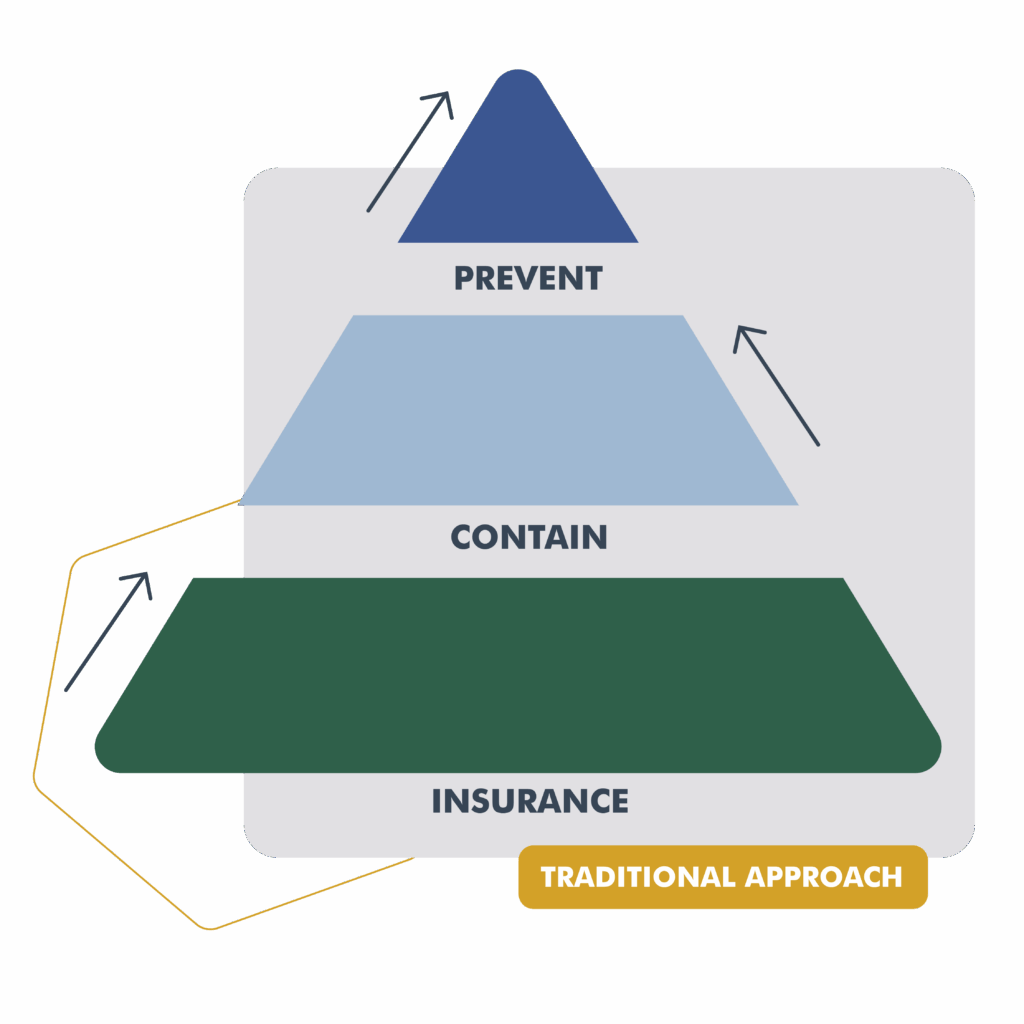
In the standard insurance process, agents engage 60 days before renewal. During this compressed period:
- There's no time for meaningful improvements
- You're evaluated based on your current (possibly problematic) state
- Any issues become negotiating disadvantages
- You're explaining problems rather than showcasing improvements
- The pressure to get coverage in place limits your options
The Prevent365 Advantage
By conducting the assessment between renewals:
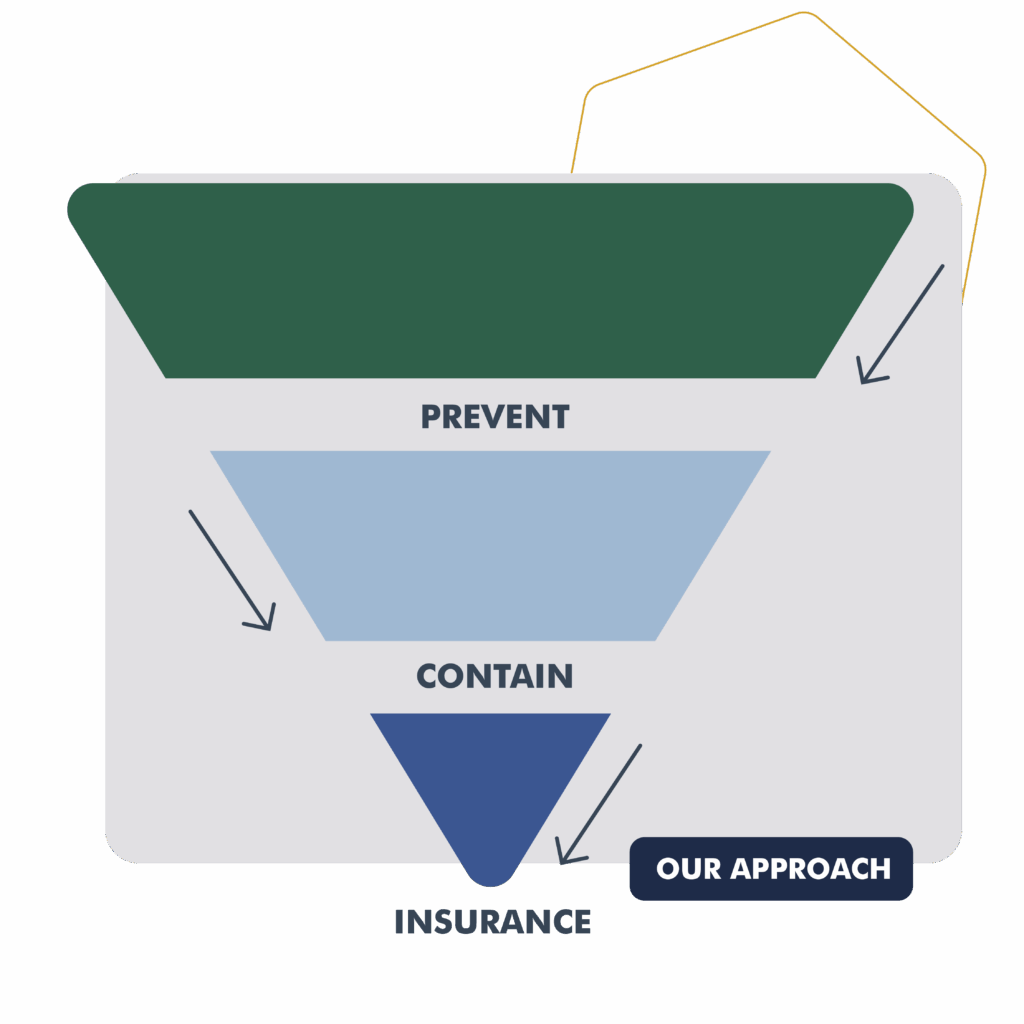
- You have 6-12 months to implement improvements before carriers evaluate you
- Issues can be addressed proactively rather than explained defensively
- Improvements can be documented with data showing positive trends
- You control the timeline rather than being controlled by renewal deadlines
- When renewal arrives, you're presenting a compelling story of improvement
This timing difference alone can dramatically impact your insurance outcomes.
Ready to Uncover Your Root Causes?
Root cause diagnosis is the foundation of effective risk management. Without it, you're perpetually managing symptoms, trapped in a reactive cycle that keeps costs high and risks unmanaged.
The Prevent First Assessment breaks that cycle. It gives you the clarity and insights needed to prevent incidents rather than just insure against them. This diagnostic work sets the stage for the remaining stages of Prevent365, where we help you differentiate your business, implement proactive controls, and build lasting resilience.
Every transformation begins with understanding where you are today. There's no cost for an initial consultation. It's part of our "help before the quote" philosophy.
Schedule your Prevent First Assessment and take the first step toward prevention-focused risk management.