
When a workplace injury happens in a workplace, the aftermath isn’t just about paperwork or protocols. It’s a moment of reckoning for practice owners as OSHA investigators ask, “Did you do everything possible to ensure your team’s safety?” That question is far more than a formality. It’s a reflection of your commitment to safeguarding your employees. More significantly, it emphasizes the importance of having a comprehensive OSHA safety program dedicated to creating a safe and compliant work environment.
This blog will outline why a robust OSHA safety program is vital, what essential components it should include, and how it becomes not just a regulatory necessity but also a sound business decision.

The High Cost of Non-Compliance
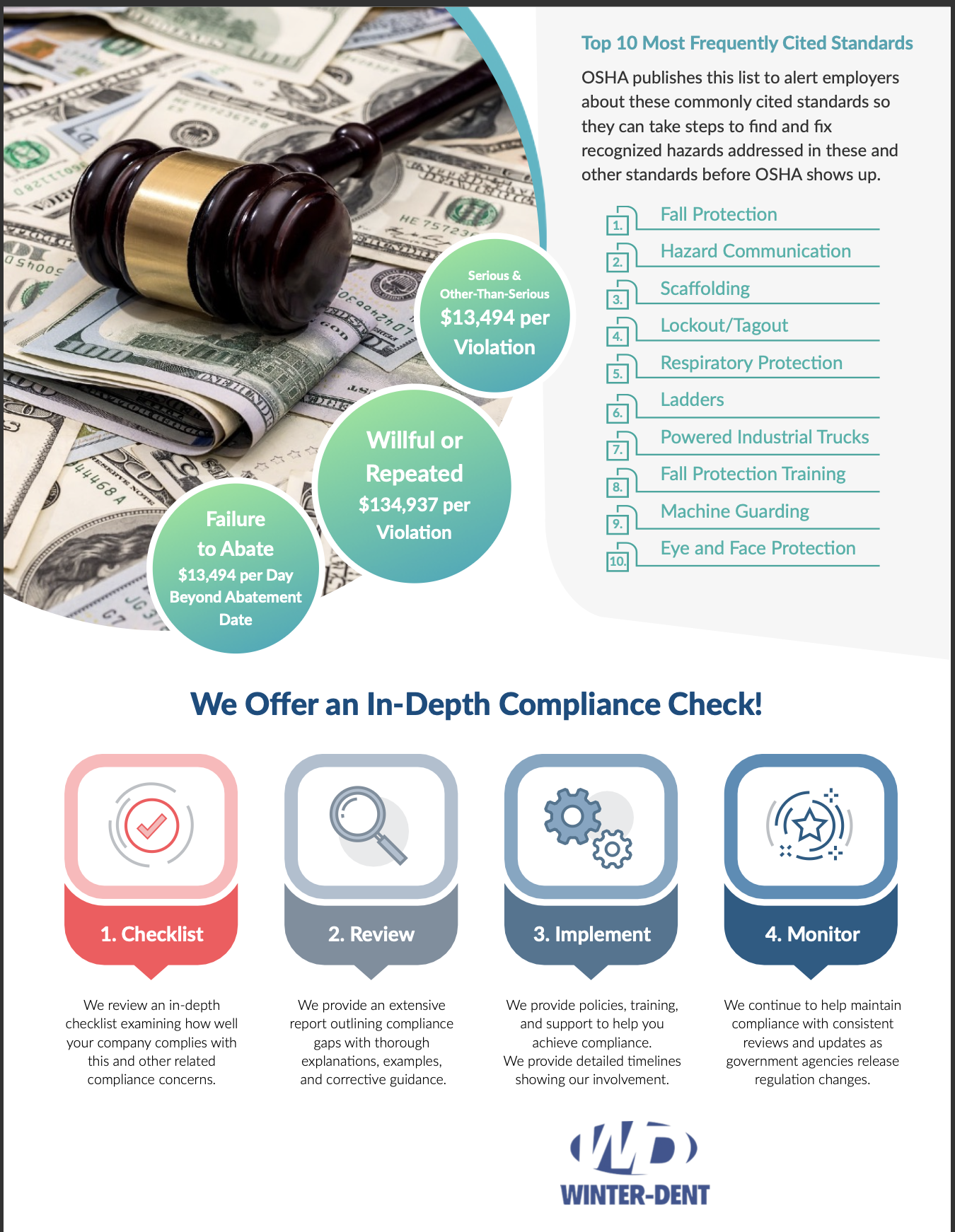
OSHA violations are not just about fines; they represent risks to your reputation and your team’s well-being. Consider these current OSHA penalty structures:- Willful or Repeated Violations can cost up to $134,937 per violation.
- Serious Violations come with a penalty of up to $13,494.
- Failure to Abate penalties adds up to $13,494 per day beyond the abatement date.
- Reputation Damage: Patients and staff alike may question the safety culture of your practice.
- Legal Consequences: Failing to protect employees creates liability issues that can extend far beyond the initial incident.
- Lower Staff Morale: A lack of safety measures leaves employees feeling undervalued and at risk.
Building a Safer Business
Creating and maintaining a robust OSHA safety program involves integrating safety into every facet of your practice. Here are the key components to keep in mind.Leadership Commitment and Team Participation
Safety starts with leadership. Owners and managers should actively:- Participate in safety meetings.
- Provide the resources needed for safety improvements.
- Make safety a visible priority in daily operations.
Hazard Identification and Prevention
Businesses face unique hazards, each requiring specialized strategies.Bloodborne Pathogens
Handling contaminated instruments, managing sharps, and responding to exposure incidents require well-trained adherence to protocols. OSHA mandates specific training for preventing bloodborne pathogen exposure, so ensure this is part of your program.Hazardous Chemicals
From sterilization agents to materials, compliance with OSHA’s Hazard Communication Standard (HAZCOM) is crucial. Proper labeling, Material Safety Data Sheets (MSDS), and staff education reduce chemical-related risks.Ergonomics
Prolonged sitting, repetitive motions, or awkward postures put you at risk of musculoskeletal disorders. Implement protocols for proper positioning, equipment adjustments, and regular breaks to minimize ergonomic hazards.Training and Documentation
“Did employees receive adequate training to perform their jobs safely?” OSHA will always ask this question during investigations, and your answer must be backed by solid documentation. Ensure your team receives:- Comprehensive onboarding safety training for all new hires.
- Refresher training is conducted regularly to reinforce essential protocols.
- Specialty training for procedures or equipment-specific risks.
Emergency Preparedness
Emergencies happen, whether it’s a medical issue with a patient or a fire in the building. Your team needs to know how to act swiftly and safely. Emergency preparedness should include:- Clearly written emergency action plans for various scenarios.
- Periodic emergency drills to ensure readiness.
- Well-maintained emergency equipment, including eyewash stations or defibrillators (if applicable).
- Basic life support training equips staff to handle medical emergencies.
The March 2nd OSHA Deadline
Each year, employers must electronically submit injury and illness records to OSHA by March 2nd. This includes certain forms like OSHA Form 300A. Even if you aren’t legally bound to submit, maintaining accurate, updated records is vital for internal audits and shows OSHA you’re compliant during inspections. Failing to meet this deadline can result in unexpected fines and inspections. Maintaining comprehensive records minimizes risks and spots trends to help prevent future injuries.
Proactive Safety = Smarter Business
Beyond Compliance Benefits
An effective OSHA safety program offers profound business advantages:- Reduced Costs: Fewer injuries translate to lower workers’ compensation premiums and fewer disruptions.
- Employee Retention: Staff value a safe workplace, which in turn fosters loyalty and reduces turnover.
- Enhanced Reputation: Prioritizing safety differentiates your practice as a desirable workplace and boosts patient trust.
- Legal Protection: Clear documentation and proactive measures serve as strong defenses in case of disputes.
The Time for Action is Now
Do you know when your company's OSHA safety program was last updated? If it still operates on standards set before 2016, your team may be at unnecessary risk. Regulations change, and keeping your program current is mandatory, not optional. Start by conducting an internal audit:- Assess your current policies against OSHA guidelines.
- Identify gaps in training or hazard prevention.
- Build a timeline to address deficiencies.
Don’t wait to take control. Start making your numbers work for you. Contact us today!