Management Liability Insurance
Good Decisions Can Still Generate Lawsuits. Personal Assets Can Be at Stake.
Directors, officers, managers, and HR leaders make consequential decisions every day. Hiring, termination, compensation, governance, plan administration, and financial oversight all carry legal exposure, regardless of intent. When those decisions are challenged, the costs of defending them, and potentially settling them, can reach personal assets if adequate coverage is not in place. Management liability insurance exists specifically to protect the individuals who lead your organization from the financial consequences of those claims.
What Management Liability Insurance Covers
Management liability is a portfolio of interconnected coverages that address the specific legal risks your organization’s leadership faces. Rather than a single policy, it typically consists of several distinct but coordinated lines: directors and officers liability, employment practices liability, fiduciary liability, and fidelity and crime coverage. Each addresses a different category of claim, and together they form a comprehensive defense for the people running your business.
Claims frequency across all four lines has been rising. AI adoption, pay transparency legislation, ERISA litigation, and an increasingly complex regulatory environment have each introduced new categories of exposure. The current market offers relatively stable pricing with available capacity, making this a practical time to review your program structure before conditions tighten. For organizations with employees, benefit plans, and financial oversight responsibilities, that review is overdue for most.
Directors & Officers (D&O)
Employment Practices Liability (EPL)
Fiduciary Liability
The People Running Your Business Deserve Protection Too
Management liability claims target individuals, not just organizations. Without the right coverage, defense costs and settlements can reach personal assets.
Personal Asset Exposure
D&O claims can pursue individual directors and officers personally when corporate indemnification is unavailable or insufficient. Side A coverage exists specifically to protect personal assets when the company cannot step in.
Workforce Complexity
Remote and hybrid work arrangements, pay transparency laws, biometric data use, and AI in hiring have each created new categories of EPL exposure. Claims frequency and severity are both rising across the industry.
ERISA Fiduciary Risk
Excessive fee litigation against benefit plan sponsors has generated over $1.73 billion in settlements since 2005, with 70 percent of those cases filed since 2020. Every organization sponsoring a 401(k) or pension plan carries this exposure.
Internal Fraud Exposure
Fidelity and crime coverage protects against employee dishonesty, theft, forgery, and computer fraud. Employee theft costs organizations more than external crime annually, and smaller organizations are disproportionately exposed.
Most Organizations Buy Management Liability Once and Forget It. Growing Organizations Review It Every Year.
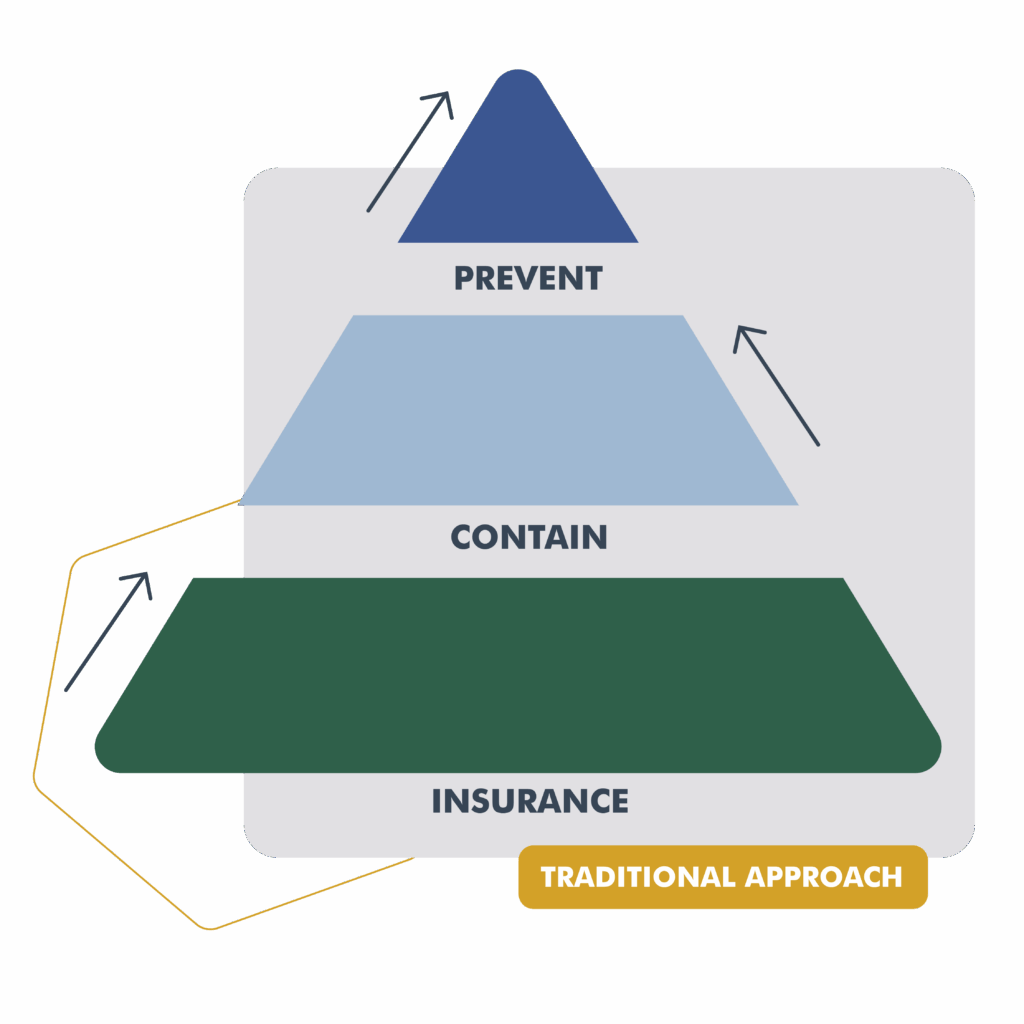
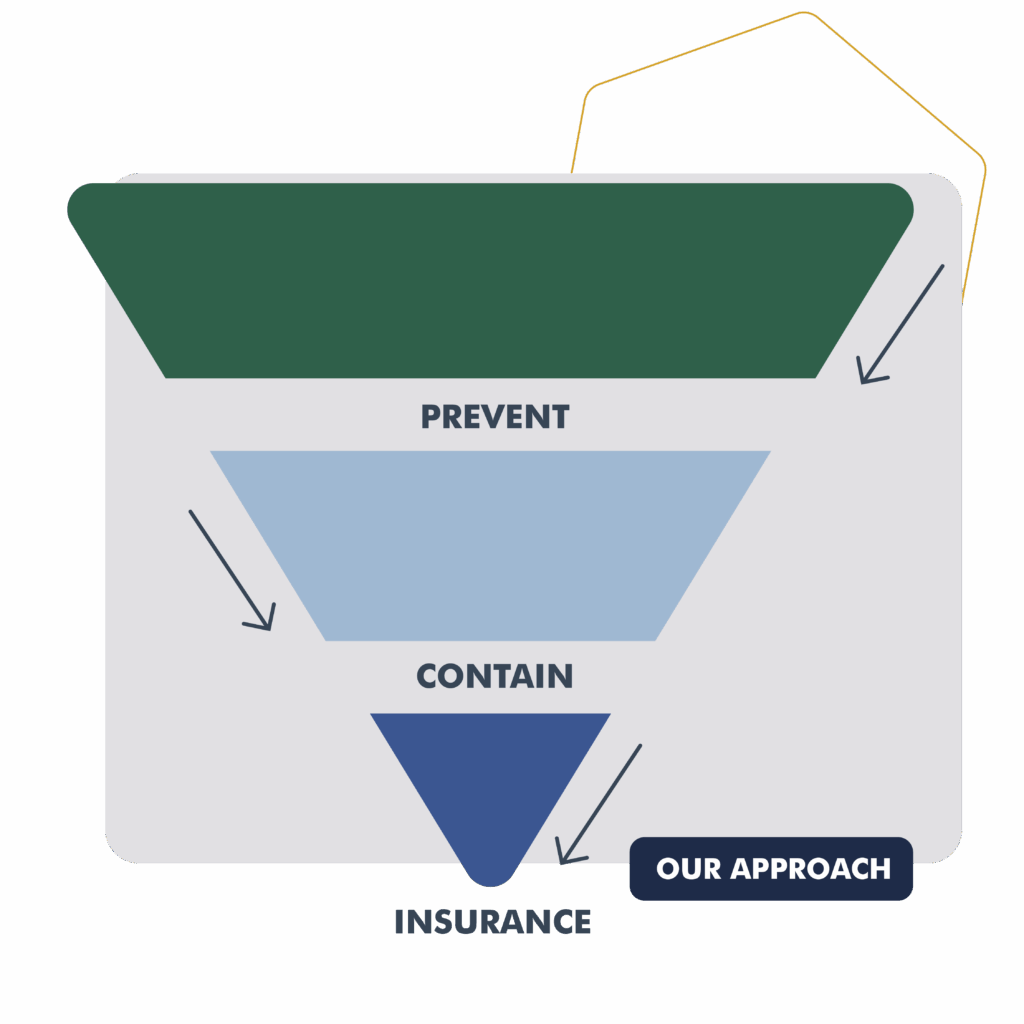
Our Prevent365 approach reviews your D&O, EPL, fiduciary, and crime exposures annually against your current organizational structure, workforce profile, and benefit plan composition.
Traditional Risk Management
❌ New exposures from AI or pay transparency laws not addressed
The Prevent365 Way
Types of Management Liability Coverage
Directors & Officers (D&O) Coverage
Protects company leadership from personal liability arising from management decisions and alleged wrongful acts in their official capacity. Claims can come from shareholders, creditors, regulators, competitors, and employees. For private companies, the most common sources are employee disputes, creditor actions in financial distress, and regulatory investigations.
Provides personal asset protection for individual directors and officers when the company is unable or unwilling to provide indemnification, such as in bankruptcy or regulatory enforcement. Side A is the most critical component of D&O for executives who want certainty that their personal finances are protected regardless of the company’s position.
Employment Practices Liability (EPL)
Covers claims by current, former, or prospective employees alleging wrongful termination, discrimination, sexual harassment, retaliation, failure to promote, and related workplace disputes. EPL claims are the most frequent of all management liability claims and can arise even in organizations with strong HR practices.
Many EPL policies exclude wage and hour claims or provide only limited defense cost coverage. Given the frequency of wage and hour class actions under the Fair Labor Standards Act and state equivalents, organizations should confirm whether their EPL policy includes meaningful protection for this category.
Extends employment practices protection to claims by non-employees, including clients, vendors, and members of the public who allege harassment or discrimination by your employees. Relevant for organizations with significant customer-facing operations.
Fiduciary Liability
Protects plan sponsors and fiduciaries who manage employee benefit plans from claims alleging mismanagement of plan assets, excessive fees, poor investment selection, or failure to follow ERISA requirements. Excessive fee litigation has been the dominant fiduciary claim category, with cases alleging sponsors failed to negotiate competitive fees for investments or administration services.
Fidelity & Crime Coverage
Covers financial losses your organization suffers due to employee dishonesty, theft, forgery, computer fraud, and funds transfer fraud. Distinct from general liability, which covers losses to third parties. Fidelity coverage protects your own organization’s assets from insiders and external fraudsters targeting your financial accounts and systems.


Tailored Management Liability Strategies
What Our Clients Say


Humans Helping Humans
Management Liability Program Design
D&O, EPL, fiduciary, and crime coverages interact with each other and with your other commercial policies in ways that matter when a claim occurs. We design management liability programs as coordinated systems, not individual policies purchased separately.
Current Regulatory Awareness
Pay transparency laws, AI governance expectations, ERISA litigation trends, and evolving employment regulations are all active drivers of management liability claims. We track these developments and ensure your program accounts for emerging exposures before they produce claims.
Prevent365 Governance Review
Our process includes a review of your current organizational structure, workforce practices, benefit plan design, and internal controls before each renewal. That review identifies coverage gaps and risk management opportunities that a standard renewal does not surface.
Long-Term Leadership Protection
Attracting and retaining strong leadership requires demonstrating that the organization protects the people who take on fiduciary and governance responsibilities. A well-designed management liability program is part of that commitment.
Additional Lines of Business Coverage
Ready to Make Sure Your Leadership Team Is Properly Protected?
A management liability review starts with your current organizational structure and works through your D&O, EPL, fiduciary, and crime exposures. It is a practical conversation that becomes more important every time your workforce or benefit plans change.
Learn More About Management Liability Coverage


Private companies face many of the same D&O exposures as public companies and several that are specific to their structure. While private companies are not subject to securities class actions in the same way, they regularly face D&O claims from employees, vendors, creditors, minority shareholders, and regulators. For private companies navigating financial stress, leadership transitions, or rapid growth, D&O claims are a meaningful risk. The current market also offers favorable pricing for private company D&O, making this a practical time to put coverage in place if you do not already have it.
Employment practices liability covers claims by current, former, and prospective employees alleging wrongful termination, discrimination based on protected characteristics such as race, gender, age, or disability, sexual harassment, retaliation for protected activity, failure to promote, and related workplace disputes. Many policies also offer coverage for wage and hour claims, though the extent varies significantly and should be confirmed specifically. Third-party EPL coverage can extend protection to claims from clients and vendors rather than just employees.
Any person or committee responsible for selecting, monitoring, and administering a 401(k) plan has fiduciary obligations under ERISA. If plan participants believe those obligations were breached, through excessive investment fees, poor fund selection, or administrative failures, they can bring a claim against plan fiduciaries personally. Excessive fee litigation has generated over $1.73 billion in settlements since 2005, with 70 percent filed since 2020. Fiduciary liability insurance covers defense costs and settlements arising from these claims and is relevant for virtually every employer that sponsors a retirement benefit plan.
General liability covers claims made against your business by third parties for bodily injury, property damage, or advertising injury. Fidelity and crime coverage protects your own organization against financial losses caused by dishonest acts, including employee theft, forgery, computer fraud, and funds transfer fraud. These are first-party coverages that address losses to your balance sheet rather than liability claims from outside parties. Because general liability explicitly excludes intentional dishonest acts by your own employees, a business without fidelity coverage has no insurance for one of the most common sources of financial loss organizations face.
The use of AI in hiring, performance management, and compensation decisions has created a new category of management liability exposure that overlaps D&O and EPL. If an AI-assisted hiring tool is found to have discriminatory screening patterns, employers face EPL claims from rejected applicants. If leadership failed to implement adequate AI governance practices, D&O claims can follow alleging breach of duty. Carriers are increasingly asking detailed questions about AI use in underwriting applications, and policies are beginning to include specific exclusions or sub-limits for AI-related claims. Reviewing your current policy language against your actual AI use is a timely and important step.
Need to File a Claim? We’re Here to Help.
Start reporting your claims online
Let’s Start a Better Conversation About Risk
Email Us
info@winter-dent.com
Call Us
(573) 634-2122