Commercial Auto Insurance
When a Vehicle Incident Happens, the Costs Go Well Beyond the Repair Bill
Fleet accidents generate legal fees, medical claims, lost productivity, and in today’s litigation climate, the potential for catastrophic jury awards. Businesses running even a handful of vehicles need a commercial auto program designed around their actual operations, not just the minimum their state requires.
How Commercial Auto Coverage Actually Works
A commercial auto policy is not a single coverage. It is a program of interconnected protections that together address vehicle-related risk across your entire operation. Personal auto policies contain business use exclusions that can void coverage at the moment you need it most, when an employee is driving on company time and causes an accident.
Understanding what each component covers, and where gaps typically appear, is the starting point for building a program that holds up under real conditions. State minimum liability limits for commercial vehicles are rarely sufficient relative to what a single serious claim can actually cost in the current litigation environment.
Auto Liability
Physical Damage
Hired & Non-Owned Auto
Why Commercial Auto Protection Is Non-Negotiable
The Stakes Are Higher Than Most Fleet Owners Realize
One serious accident can generate costs that far exceed your policy limits if your program was not built to match your actual exposure.
Litigation Exposure
Nuclear verdicts, jury awards exceeding $10 million, have grown roughly 21 percent per year. A single at-fault accident with a serious injury can generate claims your standard limits will not cover.
The Personal Auto Gap
When employees drive personal vehicles on company business, your organization can be held liable for accidents that their personal auto policy specifically excludes. This gap is more common than most businesses realize.
Contractual Requirements
Clients, general contractors, and commercial landlords routinely require proof of commercial auto coverage and specified liability limits before a business relationship can proceed.
Fleet Continuity
Physical damage coverage keeps your vehicles on the road after an accident or weather event. Without it, a single incident can sideline vehicles your operations depend on daily.
Most Brokers Renew Your Policy. We Rebuild Your Program.
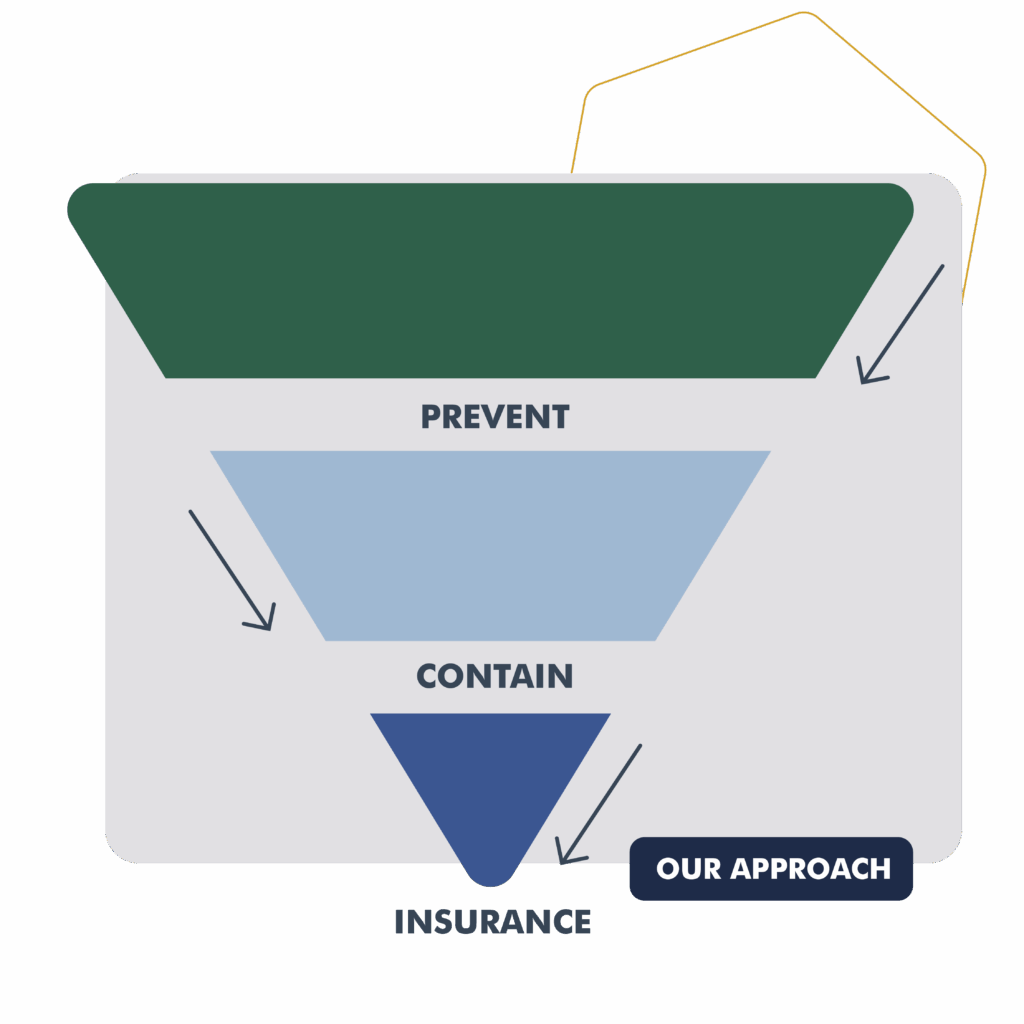
Our Prevent365 approach starts with understanding how your fleet operates, then builds a program designed to reduce risk, differentiate your submission, and control your long-term cost trajectory.
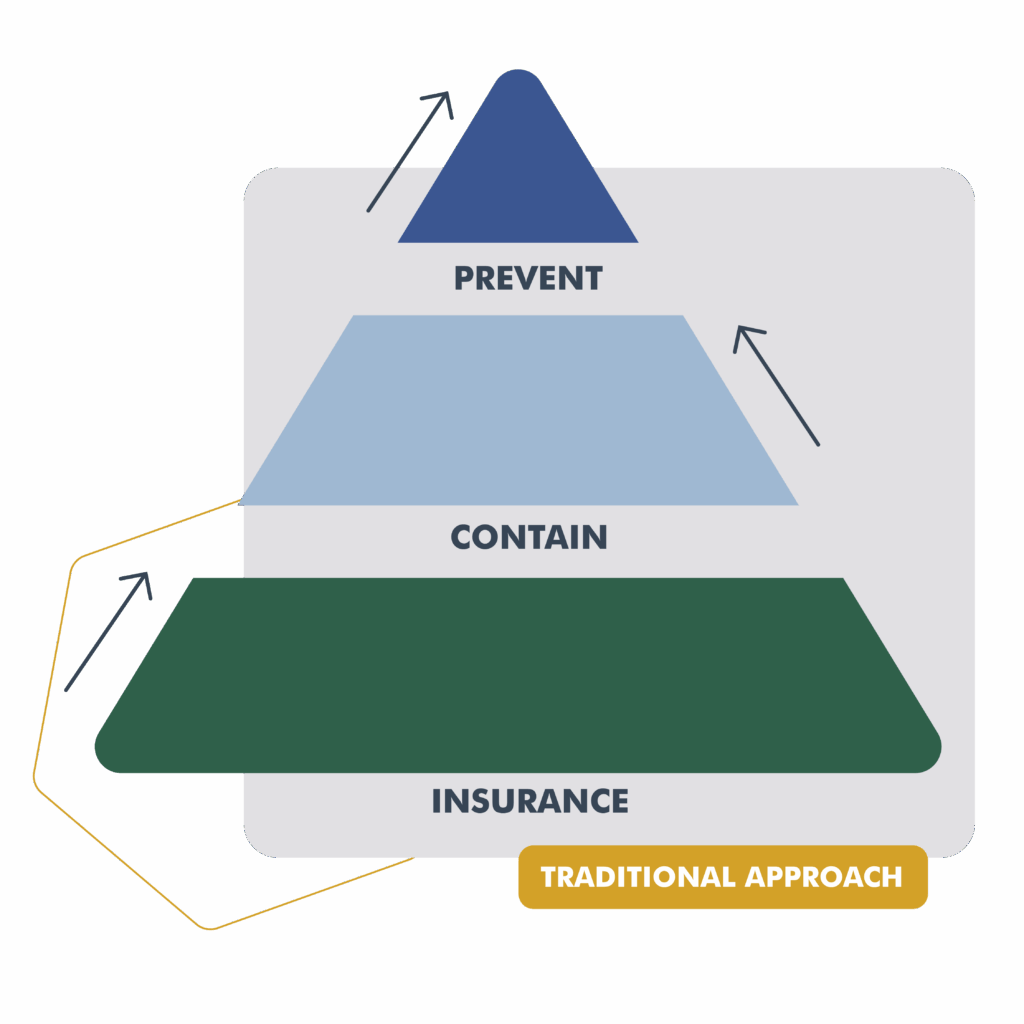
Traditional Risk Management
The Prevent365 Way
Types of Commercial Auto Coverage
Core Coverage
The foundation of your fleet protection. Covers bodily injury and property damage your vehicles cause to third parties. State minimums vary but are frequently inadequate given today’s litigation environment. Limit adequacy is one of the most consequential decisions in commercial auto program design.
Covers repair or replacement of your vehicles when a collision occurs, regardless of fault. Essential for businesses whose operations would be disrupted if a vehicle were taken out of service.
Covers vehicle damage from non-collision events including theft, fire, vandalism, hail, and flooding. Relevant for businesses operating fleets in any region with significant severe weather exposure.
Covers liability from vehicles your business does not own, including rental cars used for business travel and employees using personal vehicles for work. One of the most commonly missing pieces in a business auto program.
Protects your business when an at-fault driver carries no insurance or not enough to cover the actual cost of damages. A meaningful exposure in any market given the prevalence of underinsured drivers.
Covers immediate medical costs for your drivers and passengers after an accident regardless of fault. Faster resolution of injury costs can prevent a manageable situation from escalating into a disputed claim.
Extended Fleet Coverage
For businesses operating multiple vehicles, a blanket structure covers all vehicles under a single limit rather than scheduling each individually. Simplifies administration and ensures new vehicles are covered as they are added.
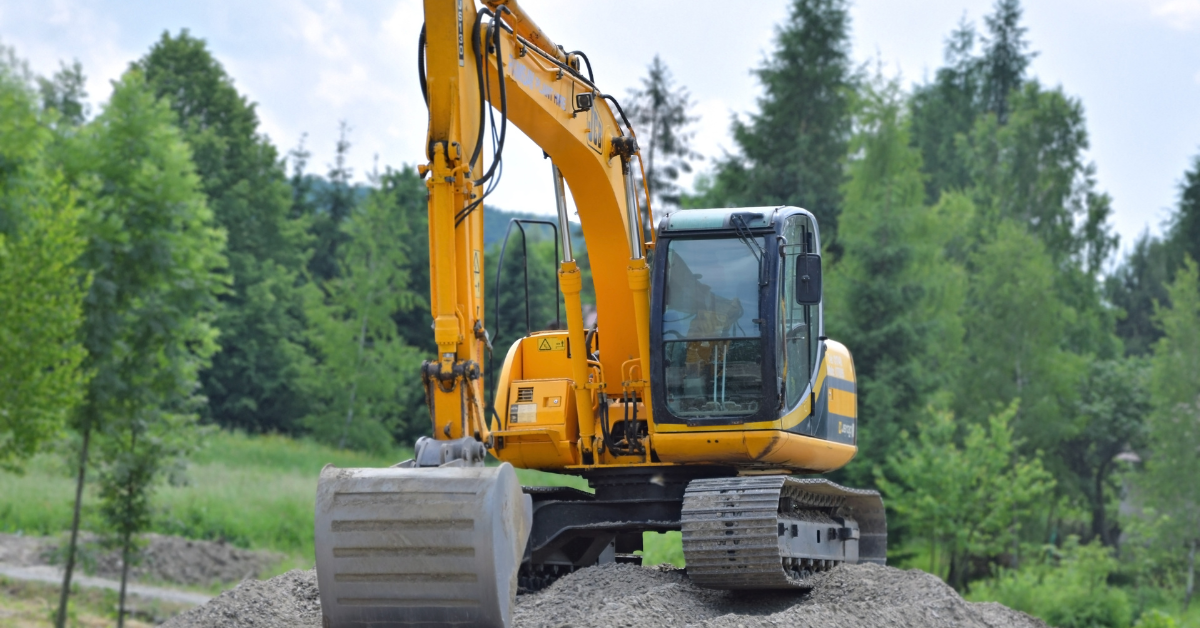
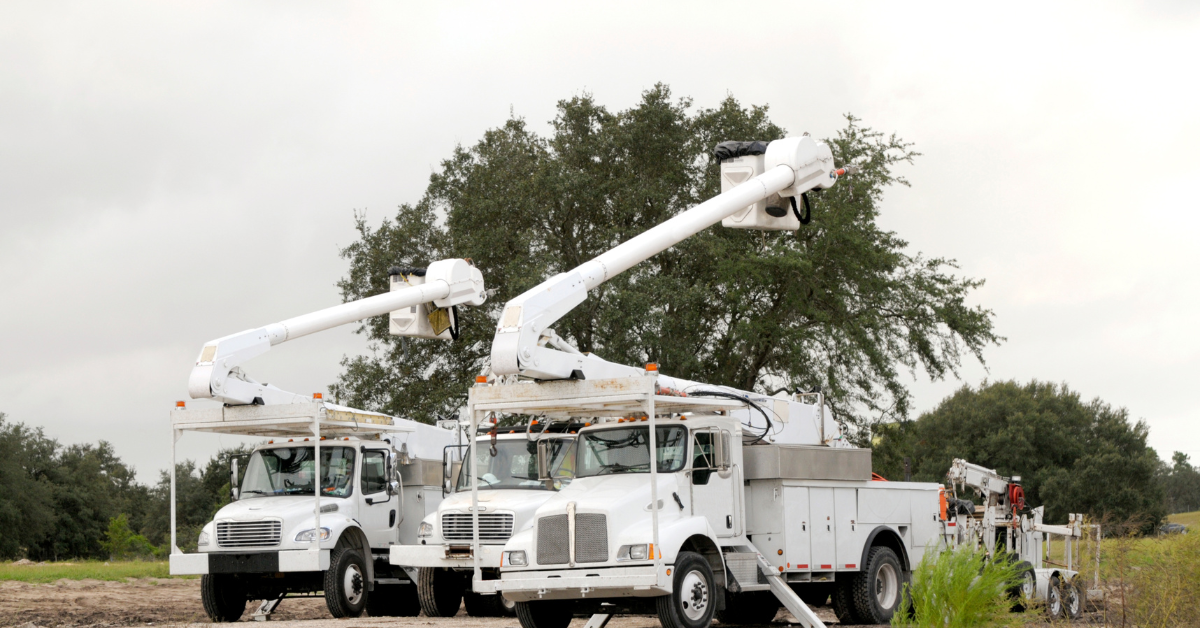
Vehicles carrying mounted tools, hydraulic systems, or proprietary technology often require coverage structures beyond a standard physical damage form. The equipment and the vehicle may need to be addressed separately.
A broader framework than a standard commercial auto policy. Uses a symbol-based system to define exactly which vehicles and drivers are covered, and can include owned, leased, hired, and non-owned vehicles within a single structure.

Tailored Commercial Auto Strategies
What Our Clients Say


Humans Helping Humans
Fleet Market Knowledge
Commercial auto is one of the most challenging lines in the market right now. We know which carriers are actively competing for well-managed fleets, what underwriters need to see, and how to position your risk for the best available terms.
Long-Term Cost Focus
Our goal is a lower total cost of fleet risk over time, not just a competitive number at this renewal. We track your premium trajectory and adjust your program as your fleet and exposures change.
Prevent365 Risk Process
Before we go to market on your behalf, we audit your fleet exposure, review your driver risk profile, and identify gaps in your current program. That groundwork shapes every coverage decision and every underwriter conversation.
Year-Round Fleet Risk Partnership
Driver screening guidance, telematics program support, incident response best practices, and mid-term coverage reviews are part of how we work with fleet clients throughout the year, not just at renewal.
Additional Lines of Business Coverage
Ready to Build a Smarter Commercial Auto Program?
A fleet risk evaluation starts with understanding how your vehicles are actually used, not just how many you have. Let us take a look at your current program, identify the gaps, and show you what a purpose-built commercial auto program looks like.
Learn More About Commercial Auto Coverage


Yes, and this is one of the most common coverage gaps we encounter. When employees use personal vehicles for work-related purposes, including client visits, company errands, or travel between job sites, your business can be held liable for accidents that occur during those activities. Personal auto policies contain business use exclusions that can result in a denied claim, leaving your organization fully exposed. Hired and non-owned auto (HNOA) coverage is the specific solution, and it is frequently absent from business insurance programs that were never designed with this exposure in mind.
Your individual claims history is one factor in your renewal, but it is not the only one. Carriers also price based on industry-wide loss trends, and commercial auto has posted underwriting losses for 14 consecutive years. Nuclear verdicts, rising repair costs driven by vehicle technology, and the growth of litigation funding have pushed claim severity higher across the entire market. Businesses that invest in documented safety programs and present organized underwriting submissions consistently land closer to the bottom of available rate ranges than those that rely on claims history alone.
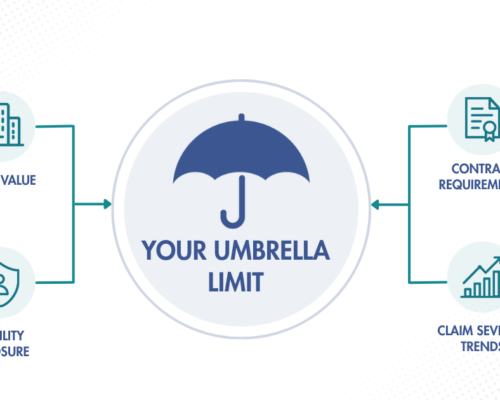
State minimums for commercial vehicles are rarely sufficient relative to what a serious accident can generate in the current litigation environment. The appropriate limit depends on your fleet size, vehicle types, the nature of your operations, and your industry’s exposure to litigation. Pairing your commercial auto policy with an umbrella or excess liability layer is one of the most cost-effective ways to close the gap between statutory minimums and real-world exposure.
Yes, in two measurable ways. Behavioral data from telematics identifies risky driving patterns before they result in accidents, directly reducing claim frequency over time. Carriers also view telematics adoption as credible evidence of proactive fleet management and offer better program terms to businesses that share that data. Some carriers now require cameras or monitoring technology as a baseline condition of coverage for certain fleet classes. Businesses with programs in place and data to show have more negotiating leverage at renewal than those without.
A standard commercial auto policy covers vehicles specifically listed on the policy, typically vehicles your business owns. A business auto policy uses a symbol-based coverage framework that defines which vehicles and drivers are included in broader terms, and can bring owned, leased, hired, and non-owned vehicles under a single policy structure. For businesses with a mix of company-owned vehicles, leased units, employee-owned vehicles used for work, and rented cars during business travel, a BAP typically provides more comprehensive and administratively simpler coverage.
Need to File a Claim? We’re Here to Help.
Start reporting your claims online
Let’s Start a Better Conversation About Risk
Email Us
info@winter-dent.com
Call Us
(573) 634-2122